Skip to content

Welcome to the Centre de Radiologie Diouri Kénitra. We are proud to offer this detailed guide. Our goal is to make your visit as smooth and comfortable as possible.
An ultrasound is a safe and painless medical test. It uses sound waves to create pictures of the inside of your body. This type of imaging does not use radiation. It provides real-time views of your internal organs.
Proper preparation is key to a successful scan. It helps our team get the clearest images for an accurate diagnosis. This guide explains the steps for different types of examination.
We understand that medical procedures can be worrying. Our experienced team in Kénitra is here to support you. We use the latest technology to ensure your comfort and the best results.
Key Takeaways
- Ultrasound imaging is a noninvasive and safe procedure that uses sound waves.
- Proper preparation is essential for obtaining high-quality diagnostic images.
- Different types of scans, like abdominal or pelvic, require specific preparation steps.
- Following preparation instructions carefully helps reduce scan time and improves accuracy.
- Our facility in Kénitra is equipped with modern technology and a caring staff.
- Understanding the process can help reduce anxiety before your appointment.
Introduction to Our Centre and Services
At the heart of Kénitra’s healthcare community, Centre de Radiologie Diouri stands ready to serve your diagnostic needs. We are dedicated to providing exceptional imaging services right here in Kénitra, Morocco.
About Centre de Radiologie Diouri Kénitra
Our center is a leading facility for diagnostic imaging. We use advanced technology operated by our skilled radiologist team.
We understand that patients visit us with various medical conditions. Our goal is to provide accurate results for your doctor. We invest in continuous staff training and equipment upgrades.
Our Commitment to Patient Care in Kénitra, Morocco
We believe informed patients have better outcomes. We prioritize clear communication and provide clear information about every procedure.
Our care extends beyond the exam room. We are your partner in your health journey, ensuring your doctor receives a detailed report promptly. We recognize that each patient is unique.
| Feature | Benefit for You | Our Commitment |
|---|---|---|
| Advanced Technology | Clear, accurate images for diagnosis | Regular upgrades and maintenance |
| Expert Radiologists | Professional analysis and reporting | Continuous training and education |
| Patient-Centered Approach | Comfort, privacy, and reduced anxiety | Tailored care for every individual |
How to Prepare for an Ultrasound Exam: Abdominal, Pelvic, Pregnancy and Doppler
Successful medical imaging relies heavily on proper patient preparation before the procedure. We at Centre de Radiologie Diouri Kénitra have created specific protocols for each type of diagnostic imaging. Following these guidelines ensures the best possible results.
Overview of Preparation Steps
Different scans require unique preparation steps. Our team provides detailed instructions when you schedule your appointment. This preparation directly affects image quality.
For example, abdominal scans often need fasting. Pelvic examinations may require a full bladder. Each protocol serves a specific purpose in creating clear images.
| Scan Type | Key Requirements | Purpose |
|---|---|---|
| Abdominal | Fasting, specific diet | Reduce gas interference |
| Pelvic | Full bladder | Better organ visualization |
| Pregnancy | Comfortable clothing | Easy access and comfort |
| Doppler | Loose garments | Unobstructed blood flow |
Why Proper Preparation Matters
Following preparation guidelines leads to more accurate diagnoses. It helps our equipment capture clear images without obstruction. Proper preparation also makes the process faster and more comfortable.
Patients who follow instructions rarely need repeat scans. This saves time and reduces anxiety. Our protocols are designed with your comfort and diagnostic accuracy in mind.
We encourage you to contact us with any questions about your preparation. Our team at Centre de Radiologie Diouri Kénitra is here to support you throughout the process.
Understanding Ultrasound Exams and Their Benefits
The science behind ultrasound imaging reveals a fascinating process of sound wave interaction with human anatomy. This technology provides valuable diagnostic information without invasive procedures.
How Ultrasound Uses Sound Waves and Transducers
Ultrasound technology operates using high-frequency sound waves beyond human hearing range. A handheld device called a transducer emits these waves into the body. The waves bounce back as echoes when they encounter different tissues.
These returning echoes create detailed images of internal structures. The transducer captures the reflected waves and sends data to a computer. This process happens in real-time, allowing immediate visualization.
Unlike other imaging methods, this technology uses no radiation. This makes it extremely safe for various patients. The abdominal ultrasound procedure demonstrates these principles effectively.
Types of Ultrasound Exams
Different examinations serve specific diagnostic purposes. Abdominal scans visualize organs like the liver and kidneys. Pelvic imaging examines reproductive and urinary systems.
Pregnancy monitoring tracks fetal development and health. Doppler technology assesses blood flow through vessels. Each type provides unique insights for medical professionals.
Our team selects the appropriate approach based on clinical needs. We ensure optimal imaging quality for accurate diagnosis.
Specialized Preparation for Abdominal Ultrasound
Clear visualization of abdominal structures requires specific preparation protocols. This type of examination focuses on deep internal organs that need optimal conditions for imaging. Following our guidelines ensures the best possible diagnostic results.
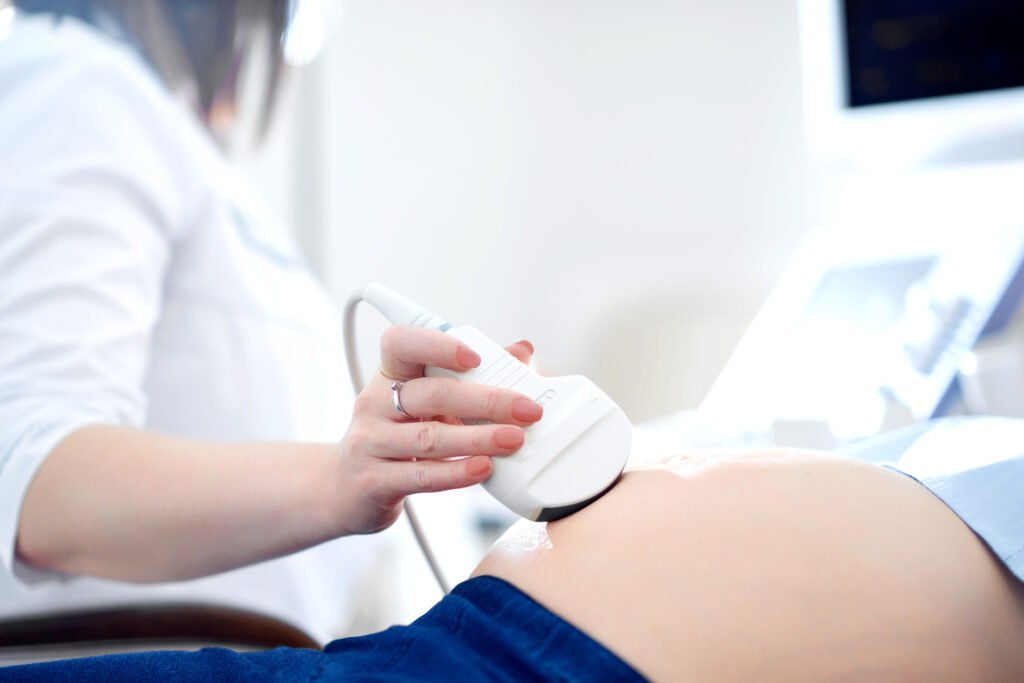
We typically request fasting for 6-8 hours before your scheduled test. This empty stomach condition helps us see your liver, gallbladder, and other critical organs clearly. Food and digestive gas can create interference that obscures important details.
Fasting and Dietary Guidelines
During the fasting period, you may drink plain water to maintain hydration. We recommend avoiding gas-producing foods for several days before your appointment. Beans, cabbage, and carbonated beverages can create air pockets that block sound waves.
The fasting requirement serves a crucial purpose for gallbladder evaluation. When you eat, this organ contracts and becomes harder to assess properly. Keeping it distended allows our radiologist to check for stones or other issues.
Preparing Your Bladder for Clear Imaging
Bladder preparation differs from pelvic scans for abdominal examinations. A moderately full bladder can sometimes help with lower abdominal visualization. However, an overly full bladder may cause discomfort without diagnostic benefit.
We advise drinking water normally unless instructed otherwise. If you take essential medications, discuss timing with your physician beforehand. Diabetic patients should schedule morning appointments and coordinate medication adjustments.
| Preparation Aspect | Recommended Action | Purpose |
|---|---|---|
| Fasting Duration | 6-8 hours before scan | Reduce food/gas interference |
| Fluid Intake | Water only during fast | Maintain hydration |
| Dietary Restrictions | Avoid gas-producing foods | Prevent imaging obstacles |
| Bladder Status | Moderately full if needed | Acoustic window creation |
When you arrive at our facility, our sonographer applies a clear gel to your abdominal area. This water-based substance ensures optimal contact between the transducer and skin. The typical examination takes about an hour to complete thoroughly.
Proper preparation makes your visit more efficient and comfortable. For additional guidance, we recommend reviewing this comprehensive ultrasound preparation resource. Our team at Centre de Radiologie Diouri Kénitra is always available to answer specific questions about your upcoming test.
Specialized Preparation for Pelvic and Pregnancy Ultrasound
Pelvic and pregnancy imaging require unique preparation protocols that differ from other scan types. These procedures focus on reproductive organs and fetal development, needing specific conditions for optimal visualization.
The Role of a Full Bladder in Pelvic Exams
A full bladder serves as an acoustic window during pelvic examinations. The fluid-filled organ pushes bowel loops away from the imaging area. This creates a clear path for sound waves to reach the uterus and surrounding structures.
We recommend drinking 4-6 glasses of water about an hour before your appointment. Please avoid emptying your bladder until after the examination. This gradual filling minimizes discomfort while ensuring optimal imaging conditions.
For early pregnancy scans, this technique becomes particularly important. The developing embryo requires precise positioning for detailed assessment. The bladder helps elevate the uterus into the ideal viewing position.
Comfort and Privacy Considerations
Transvaginal ultrasound offers an alternative approach requiring an empty bladder. This internal examination provides superior detail of pelvic organs. Our team ensures complete privacy during this procedure.
You will have a private area to undress from the waist down. We provide covering sheets and professional sonographers for your comfort. Female technicians are available upon request for all pelvic examinations.
We understand that bladder fullness can cause temporary discomfort. However, this preparation significantly improves diagnostic accuracy. You may empty your bladder immediately after the examination concludes.
Specialized Preparation for Doppler Ultrasound
Blood flow assessment through Doppler techniques requires specific preparation protocols. This specialized imaging method evaluates circulatory system function rather than static anatomical structures.
How Doppler Ultrasound Assesses Blood Flow
This technology measures the movement of red cells through your vascular network. It detects changes in sound wave frequency as they reflect off moving blood components.
The resulting data reveals flow speed and direction within arteries and veins. This information helps identify potential circulatory issues.
We perform several types of vascular assessments at our facility. These include carotid artery evaluations and limb circulation studies.
Preparation focuses on maintaining normal vessel function. We request avoiding caffeine and nicotine for at least two hours before your appointment.
These substances can temporarily alter blood vessel diameter. This affects measurement accuracy during the diagnostic process.
You can typically eat normally and take regular medications. Wear comfortable clothing that allows access to the examination area.
During the procedure, you might hear distinctive sounds representing blood movement. These auditory cues help our technicians assess circulatory patterns effectively.
What to Expect During Your Ultrasound Procedure
Understanding the flow of your diagnostic imaging appointment helps ease any concerns you might have. Our team at Centre de Radiologie Diouri Kénitra has designed a comfortable experience from start to finish.
Step-by-Step Process from Check-In to Completion
When you arrive, our reception staff welcomes you and confirms your appointment details. We verify that preparation instructions were followed for your specific scan type.
You’ll meet your sonographer, a specially trained technician who performs the scan. They explain each step and answer questions before beginning. The sonographer positions you comfortably on the examination table.
Clear, water-based gel is applied to the area being examined. This gel helps ultrasound waves transmit efficiently into your body. The transducer is then moved gently across your skin.
Most procedures take 20-60 minutes depending on complexity. The sonographer watches real-time images, capturing comprehensive views. You can resume normal activities immediately after.
Our Interaction with the Radiologist and Sonographer
Your sonographer works under our radiologist’s supervision. This physician specializes in medical imaging interpretation. They analyze all captured images after your examination.
Our team compares findings with any previous scans when relevant. The radiologist prepares a detailed report for your referring doctor. This report is typically sent within 24-48 hours.
We ensure clear communication throughout your visit. Your comfort and understanding are our priorities during every procedure.
Tips for a Smooth and Comfortable Ultrasound Experience
Thoughtful planning before your appointment ensures a smoother and more comfortable procedure. We focus on both technical excellence and patient well-being during every visit.

Simple preparations can significantly enhance your comfort. They also help our team obtain the best diagnostic results.
Choosing Appropriate Clothing and Minimizing Discomfort
Selecting the right attire makes your visit more pleasant. Loose, comfortable garments allow easy access to the examination area.
Two-piece outfits work well for abdominal scans. Skirts or loose pants suit pelvic examinations. This approach maintains modesty while providing necessary access.
| Scan Type | Recommended Clothing | Benefits |
|---|---|---|
| Abdominal | Two-piece outfit | Easy abdominal access |
| Pelvic | Loose skirt or pants | Comfort and privacy |
| General | Comfortable top | Easy transducer movement |
Remove jewelry before your appointment. Metal items can interfere with the ultrasound scan. This simple step prevents potential issues.
Communicating Your Health History and Concerns
Sharing relevant health information helps us tailor your care. Bring your referral letter and previous test results.
Clear communication between patient and technician leads to better outcomes for everyone involved.
Inform us about medications and medical conditions. Mention any areas of tenderness or anxiety. Our team adjusts techniques to minimize discomfort.
Arrive 10-15 minutes early to complete paperwork calmly. This preparation reduces stress before your examination begins.
Following these simple instructions creates a positive experience. We prioritize your comfort throughout the entire process.
Understanding the Benefits and Limitations of Ultrasound Imaging
Medical diagnostics relies on choosing the right tool for the job. Each technology offers distinct advantages and inherent limitations. Knowing these factors helps ensure the best possible results.
Benefits: Safety, Painlessness, and Real-Time Imaging
This imaging method is extremely safe. It uses sound waves instead of ionizing radiation. This makes it ideal for various patient groups.
The procedure is completely painless. Patients feel only the gentle movement of the transducer. The real-time capability provides a dynamic view of internal organs.
Doctors can observe blood flow and moving structures. This functional information is unique to this type of scan. It is also highly cost-effective and widely available.
Limitations: Factors Affecting Image Quality
Despite its strengths, this technology has boundaries. Sound waves are disrupted by air or gas. This can make certain body parts difficult to assess.
Bone blocks the waves, creating shadows. The depth of tissues also affects the images. In larger patients, obtaining clear results can be challenging.
Patient preparation and operator skill are crucial. Following instructions minimizes these limitations. Our team at Centre de Radiologie Diouri Kénitra ensures optimal imaging conditions for every scan.
Conclusion
Your partnership in the diagnostic process is invaluable. By carefully following preparation instructions, you help us capture the clearest images for our radiologist to analyze. This teamwork leads to the most accurate results for your health.
We hope this guide has provided clear information to ease any concerns. The time invested in proper preparation directly improves scan quality and efficiency. It helps avoid the need for repeat tests.
At Centre de Radiologie Diouri Kénitra, we are committed to your care. Our team combines advanced technology with a compassionate approach. Should you have any questions about your upcoming scan, please contact us.
We are here to ensure your experience is comfortable and your diagnostic information is precise. Thank you for trusting us with your health.
FAQ
What should I wear to my ultrasound appointment?
We recommend wearing loose, comfortable clothing. This makes it easy to access the area being examined. You might need to change into a gown, so simple attire helps the procedure go smoothly.
Is it safe to have an ultrasound during pregnancy?
A>Yes, ultrasound imaging is considered very safe. It uses sound waves, not radiation, to create images. This technology has been used for decades to monitor fetal development without known risks.
Why do I need a full bladder for some ultrasound scans?
A full bladder acts as a window. It pushes air-filled intestines out of the way and provides a fluid path for the sound waves. This gives our sonographer a clearer view of organs like the uterus and ovaries.
How long does a typical ultrasound exam take?
Most exams take between 30 to 60 minutes. The exact time depends on the type of scan and the specific information the radiologist needs. We work efficiently to respect your schedule.
What is the difference between a standard ultrasound and a Doppler ultrasound?
A standard ulttrasound creates images of organs and tissues. A Doppler ultrasound is specialized. It evaluates blood flow through arteries and veins, helping diagnose vascular conditions.
When will I get my ultrasound results?
Our radiologist will analyze the images and prepare a report for your referring doctor. The results are typically available within a few business days. Your doctor will discuss the findings with you.
Can I eat or drink before an abdominal ultrasound?
For an abdominal exam, we usually ask patients to fast (not eat or drink) for 6 to 8 hours beforehand. This reduces gas in the intestines, which can block the sound waves and obscure the organs we need to see.